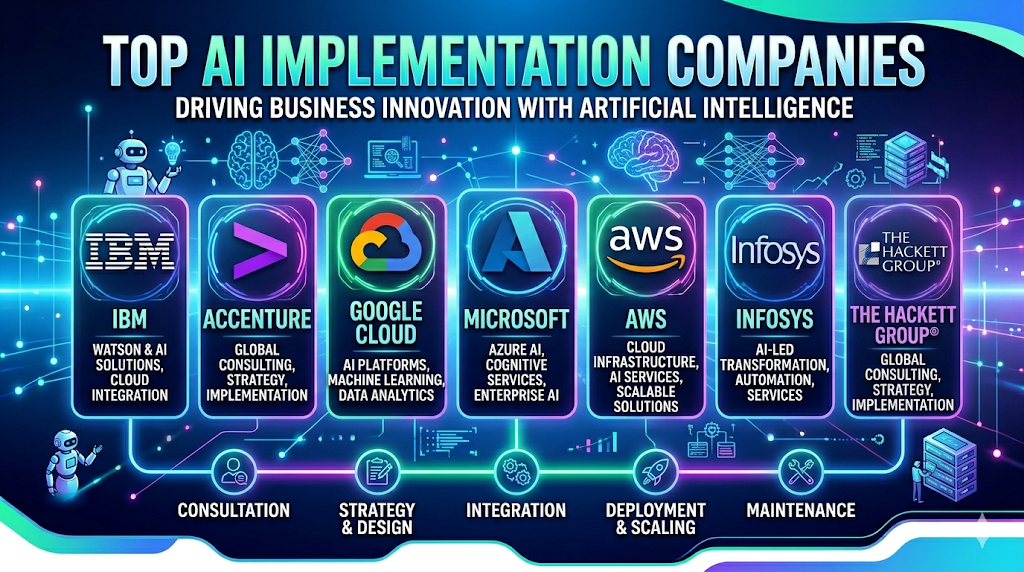
Transforming Finance Operations Through Strategic Adoption Of Artificial Intelligence

Artificial intelligence is rapidly reshaping how finance organizations operate, analyze data and support enterprise decision-making. Finance leaders today face increasing pressure to deliver deeper insights, improve forecasting accuracy and optimize operational costs while maintaining strong governance and compliance standards. Traditional finance processes, which often rely heavily on manual analysis and fragmented data systems, can limit the ability of organizations to respond quickly to market changes.

AI technologies are helping finance teams modernize these processes. By automating repetitive activities, analyzing large volumes of financial data and generating predictive insights, AI allows finance functions to become more agile and strategic. Instead of focusing primarily on transactional activities, finance professionals can concentrate on planning, performance management and business partnership.

As organizations accelerate digital transformation initiatives, AI is becoming an important enabler of smarter financial operations and stronger decision support.

Overview of AI in finance

Artificial intelligence in finance refers to the use of advanced technologies such as machine learning, natural language processing and generative AI to automate processes, analyze data and support financial decision-making. These technologies can process large volumes of structured and unstructured data, identify patterns and generate insights that support finance leaders in planning and performance management.

Modern finance organizations manage vast amounts of data across multiple systems including enterprise resource planning platforms, procurement tools and operational databases. AI solutions can connect and analyze this information in real time, enabling faster and more accurate insights.

Organizations exploring AI-driven finance transformation often seek guidance from experienced AI Consultants who understand both technology capabilities and finance operating models. These experts help organizations identify high-value use cases, establish governance frameworks and ensure alignment with broader business strategies.

The application of AI in Finance is expanding across multiple finance processes including financial planning, accounts payable, expense management, risk analysis and financial reporting. When implemented strategically, AI strengthens the finance function’s ability to deliver timely insights and drive enterprise value.

Benefits of AI in finance

Improved operational efficiency

AI enables finance organizations to automate many routine and repetitive tasks. Activities such as invoice processing, data reconciliation and report generation can be handled by intelligent systems, significantly reducing manual workload.

Automation improves productivity while also reducing the likelihood of errors. Finance teams can redirect their time toward higher-value activities such as strategic planning and business analysis.

Faster and more accurate financial insights

AI-powered analytics platforms can analyze large datasets and identify patterns that may not be visible through traditional analysis methods. This allows finance leaders to access real-time insights that support more accurate forecasting and better financial planning.

Improved analytical capabilities enable organizations to make faster decisions and respond more effectively to changing economic conditions.

Enhanced forecasting and planning

Predictive analytics models powered by AI can analyze historical financial data, market conditions and operational metrics to generate more accurate forecasts. These insights help organizations improve budgeting, scenario planning and resource allocation.

Better forecasting capabilities allow finance teams to anticipate risks and opportunities earlier, improving strategic decision-making.

Strengthened risk management and compliance

Finance organizations must maintain strict compliance with regulatory requirements and internal policies. AI tools can monitor financial transactions, detect anomalies and flag potential compliance issues.

By providing continuous monitoring and automated analysis, AI helps finance teams manage risk more effectively while reducing the burden of manual review processes.

Better support for business decision-making

AI-driven insights help finance teams move beyond traditional reporting to become proactive advisors to business leaders. With access to predictive models and advanced analytics, finance professionals can evaluate potential scenarios and guide strategic decisions.

This shift enables finance organizations to play a more active role in shaping enterprise strategy and driving business performance.

Use cases of AI in finance

Financial planning and analysis

Predictive forecasting

AI models can analyze historical financial data, operational performance metrics and external market indicators to produce highly accurate forecasts. This allows finance leaders to evaluate multiple scenarios and prepare for potential economic changes.

Predictive forecasting improves the reliability of planning processes and supports better resource allocation decisions.

Scenario modeling

AI tools can simulate various business scenarios such as revenue fluctuations, cost increases or market disruptions. Finance teams can use these insights to evaluate potential outcomes and develop more resilient strategies.

Accounts payable automation

Intelligent invoice processing

AI technologies can automatically extract information from invoices, validate data against purchase orders and route approvals to appropriate stakeholders. This significantly reduces manual effort and improves processing speed.

Automated invoice management also improves accuracy and reduces the risk of duplicate payments.

Fraud detection

AI can analyze payment patterns and identify anomalies that may indicate fraudulent activity. Early detection helps organizations mitigate financial risks and strengthen financial controls.

Financial reporting and analytics

Automated report generation

AI can compile data from multiple financial systems and automatically generate financial reports. This ensures consistency while significantly reducing the time required for report preparation.

Automated reporting also allows finance teams to focus more on interpreting results rather than collecting data.

Data-driven performance insights

AI-powered analytics platforms can analyze financial and operational data to identify performance trends and improvement opportunities. These insights help organizations optimize cost structures and improve profitability.

Expense management

Automated expense categorization

AI systems can categorize expense transactions automatically, ensuring compliance with company policies and simplifying reimbursement processes.

Spending pattern analysis

Finance teams can use AI to analyze employee spending trends and identify areas where cost management improvements may be possible.

Risk and compliance management

Continuous transaction monitoring

AI solutions can monitor financial transactions in real time, detecting unusual activity or policy violations. This allows organizations to respond quickly to potential risks.

Regulatory compliance support

AI tools can analyze regulatory requirements and assist finance teams in maintaining compliance with evolving financial regulations.

Why choose The Hackett Group® for implementing AI in finance

Implementing AI within finance organizations requires a structured and research-based approach. Successful initiatives must align technology adoption with operating models, governance frameworks and measurable business outcomes.

The Hackett Group® is recognized globally for its benchmarking research and performance insights across enterprise functions. Its data-driven methodology helps organizations understand how leading finance functions operate and identify opportunities to improve performance through technology and process transformation.

Benchmark-based transformation strategy

Through extensive research and benchmarking data, The Hackett Group® helps organizations evaluate current finance performance and identify areas where AI can deliver the greatest value. This ensures that AI investments focus on high-impact opportunities rather than isolated experiments.

Governance and risk management expertise

AI implementation introduces new considerations related to data management, compliance and ethical use. Establishing strong governance frameworks is essential for responsible adoption.

A structured governance approach ensures that AI technologies support financial transparency, regulatory compliance and enterprise risk management objectives.

Integrated finance transformation approach

Successful AI adoption requires alignment with broader finance transformation initiatives. The Hackett Group® integrates AI strategies into finance operating models, ensuring that technology adoption supports long-term business goals.

This approach helps organizations improve efficiency, strengthen analytics capabilities and enhance the strategic role of finance.

Tools for identifying high-value AI opportunities

The Hackett AI XPLR™ platform enables organizations to explore and prioritize AI opportunities across enterprise functions, including finance. It provides structured insights that help leaders evaluate potential use cases and develop implementation roadmaps that align with business priorities.

By combining benchmarking expertise, advisory capabilities and technology insights, The Hackett Group® helps finance organizations adopt AI in a disciplined and value-driven manner.

Conclusion

Artificial intelligence is transforming the finance function by automating routine tasks, enhancing analytical capabilities and improving decision-making. As organizations generate increasing volumes of financial data, AI technologies provide the tools needed to convert that information into actionable insights.

Finance teams that successfully adopt AI can achieve higher productivity, more accurate forecasting and stronger risk management. These capabilities allow finance leaders to move beyond traditional reporting roles and become strategic partners in driving enterprise performance.

However, realizing the full potential of AI requires careful planning, governance and alignment with broader transformation strategies. Organizations that adopt a structured approach grounded in benchmarking insights and proven methodologies will be better positioned to achieve sustainable results.

As finance functions continue to evolve, AI will play a critical role in enabling smarter, faster and more resilient financial operations across the enterprise.

Generative AI Transforming Finance Operations and Strategic Decision Making

Generative AI is rapidly emerging as one of the most influential technologies reshaping enterprise finance. As finance organizations face increasing pressure to deliver deeper insights, faster reporting and greater operational efficiency, artificial intelligence is becoming a critical enabler of transformation.

Traditionally, finance teams have relied on structured data, standardized processes and historical analysis to support decision-making. However, the growing volume of financial data, complex regulatory environments and the demand for real-time insights are pushing organizations to explore more advanced technologies. Generative AI provides the capability to automate knowledge work, analyze unstructured data and generate insights that support faster and more informed financial decisions.

For many enterprises, generative AI is not simply a technology trend but a strategic capability that enhances the role of finance as a business partner. When implemented effectively, it helps organizations modernize financial operations, improve forecasting accuracy and streamline reporting while maintaining strong governance and compliance.

Overview of generative AI in finance

Generative AI refers to artificial intelligence models that can create new content, analyze complex datasets and produce insights by identifying patterns in large volumes of information. Within finance organizations, these technologies can automate tasks that traditionally required significant manual effort and expertise.

Finance teams handle a wide range of activities that involve large datasets, complex calculations and detailed documentation. Generative AI can support these processes by summarizing financial reports, generating narratives for management reporting and identifying trends in financial performance.

The strategic adoption of AI Implementation Services can help organizations integrate generative AI into finance processes while ensuring governance, security and alignment with business objectives. Successful deployments often focus on targeted use cases that deliver measurable value while maintaining strict controls around financial data.

Public insights from The Hackett Group® emphasize that finance organizations are increasingly exploring generative AI to augment decision-making, automate knowledge-based work and improve the efficiency of financial operations. Rather than replacing finance professionals, generative AI acts as an intelligent assistant that enhances productivity and supports more strategic analysis.

As finance leaders evaluate generative AI opportunities, it is essential to align technology initiatives with broader digital transformation strategies. This ensures that AI investments support long-term performance improvement rather than isolated automation efforts.

Benefits of generative AI in finance

Improved productivity and operational efficiency

Generative AI can significantly reduce the time required for routine financial tasks such as report generation, data summarization and reconciliation analysis. Finance professionals often spend considerable effort preparing management reports and analyzing large datasets. AI tools can automate these tasks, allowing teams to focus on higher-value activities such as strategic planning and business advisory.

By reducing manual work, finance organizations can improve operational efficiency while maintaining accuracy and consistency across financial processes.

Faster financial insights and decision support

Finance teams play a central role in guiding strategic decisions. Generative AI can analyze large volumes of financial and operational data and produce summaries that highlight key trends, risks and opportunities.

These capabilities help finance leaders provide faster insights to executives and business stakeholders. Instead of spending hours compiling reports, teams can leverage AI-generated summaries to accelerate decision-making and improve responsiveness to market changes.

Enhanced forecasting and planning

Financial planning and forecasting require the analysis of historical data, market conditions and operational performance. Generative AI can assist by identifying patterns across multiple datasets and generating scenario-based insights.

By supporting predictive analysis and generating narrative explanations of financial projections, AI tools can improve the quality and clarity of forecasts. This helps organizations make more informed decisions about investments, cost management and growth strategies.

Stronger compliance and risk management

Finance functions operate within highly regulated environments. Generative AI can assist in monitoring financial transactions, reviewing documentation and generating compliance reports.

These capabilities enhance transparency and support risk management by identifying anomalies or unusual patterns that may require further investigation. Automated documentation also helps ensure consistency in regulatory reporting.

Improved collaboration across business functions

Finance increasingly works closely with other departments to support enterprise-wide decision-making. Generative AI can generate financial insights that are easier for non-finance stakeholders to understand, improving collaboration between finance, operations and executive leadership.

Clearer insights and faster reporting enable finance teams to play a more strategic role in guiding business performance.

Use cases of generative AI in finance

Financial reporting and analysis

Automated report generation

Generative AI can draft financial narratives that accompany financial statements and management reports. These narratives summarize key performance indicators, explain changes in financial performance and highlight trends that require attention.

Automating report generation reduces the time finance teams spend preparing documentation while improving consistency across reporting cycles.

Variance analysis

Finance professionals often analyze differences between actual and planned performance. Generative AI can review financial data and generate explanations for variances, helping analysts quickly identify potential issues or opportunities.

Financial planning and forecasting

Scenario modeling

Generative AI can assist finance teams by generating scenario analyses based on changes in revenue, cost structures or market conditions. This helps organizations evaluate potential outcomes and plan more effectively for uncertainty.

Budget preparation

Budget planning often involves consolidating inputs from multiple departments. AI tools can summarize submissions, identify inconsistencies and generate preliminary budget drafts to support finance teams during planning cycles.

Accounts payable and receivable

Invoice processing and reconciliation

Generative AI can analyze invoices, payment records and transaction data to identify discrepancies and automate reconciliation tasks. This improves efficiency while reducing the risk of errors.

Payment analysis and insights

AI models can review payment patterns and highlight trends that may indicate inefficiencies or potential fraud risks. These insights help organizations strengthen financial controls.

Financial data management

Data summarization and documentation

Finance teams often work with large datasets from multiple systems. Generative AI can summarize financial data, create documentation and generate explanations that support analysis.

Knowledge management

AI-powered assistants can provide quick answers to finance policy questions and help staff access relevant documentation, improving productivity across the finance organization.

Strategic finance support

The adoption of Generative AI in Finance enables finance organizations to move beyond traditional reporting toward more advanced analytics and strategic insights. By combining financial data with operational information, AI tools help finance leaders better understand business performance and identify opportunities for improvement.

Why choose The Hackett Group® for implementing generative AI in finance

Successfully deploying generative AI within finance requires more than technology adoption. It demands a structured approach that combines strategy, governance and measurable outcomes. The Hackett Group® provides organizations with research-driven insights and practical guidance for implementing AI across enterprise functions.

The Hackett Group® is widely recognized for its benchmarking research and performance improvement frameworks. These insights help organizations understand how leading finance functions operate and where generative AI can deliver the greatest impact.

Benchmark-driven transformation strategy

By leveraging extensive benchmarking data, The Hackett Group® helps finance leaders identify performance gaps and prioritize AI initiatives that align with business objectives. This ensures that generative AI investments focus on areas that deliver measurable value.

Governance and risk management

Finance organizations must maintain strict oversight of financial data and regulatory compliance. A structured governance framework helps ensure that generative AI solutions operate within established controls while protecting sensitive information.

Practical implementation guidance

From identifying use cases to supporting pilot projects and scaling successful initiatives, The Hackett Group® provides practical expertise that helps organizations adopt generative AI with confidence.

The Hackett AI XPLR™ platform supports this process by helping organizations explore and evaluate AI opportunities across business functions. The platform enables leaders to prioritize initiatives, assess potential value and develop structured roadmaps for AI adoption.

Alignment with enterprise transformation goals

Rather than focusing solely on technology, The Hackett Group® emphasizes aligning generative AI initiatives with broader enterprise performance goals. This integrated approach helps finance organizations strengthen their strategic role within the business.

Conclusion

Generative AI is transforming the finance function by automating knowledge work, improving data analysis and enabling faster decision-making. As financial data volumes grow and business environments become more complex, finance leaders are turning to AI technologies to enhance productivity and support strategic insight generation.

The benefits of generative AI extend beyond efficiency improvements. Organizations can achieve stronger forecasting capabilities, better risk management and improved collaboration across business functions. These advantages allow finance teams to shift from traditional reporting roles toward more strategic contributions to enterprise performance.

However, successful adoption requires disciplined planning, strong governance and alignment with business priorities. By implementing generative AI within a structured transformation framework, organizations can maximize its value while maintaining financial integrity and regulatory compliance.

As generative AI continues to evolve, finance organizations that embrace these technologies strategically will be better positioned to deliver deeper insights, improve operational efficiency and support long-term business growth.

Generative AI Transforming Human Resources Strategy and Workforce Operations

Organizations are entering a new era where artificial intelligence is reshaping how work gets done. Among the most influential innovations is generative AI, which is rapidly transforming enterprise functions that rely heavily on knowledge, data and decision-making. Human resources is one of the areas experiencing the most significant change as companies seek smarter ways to manage talent, improve employee experiences and increase operational efficiency.

HR teams have traditionally handled large volumes of administrative work, ranging from recruiting coordination to employee documentation and workforce reporting. Generative AI is helping reduce this operational burden while enabling HR professionals to focus more on strategic initiatives such as workforce planning, talent development and organizational design.

As organizations adopt data-driven approaches to HR management, the role of generative AI continues to expand. Many enterprises are now exploring how AI can support talent acquisition, automate repetitive HR tasks and provide deeper workforce insights that improve business performance.

To fully realize these benefits, organizations must approach AI adoption with a clear strategy. This includes aligning AI initiatives with workforce objectives and integrating them with proven frameworks such as Benchmarking in Business Strategy, which helps organizations identify performance gaps and opportunities for improvement.

Overview of gen AI in HR

Generative AI refers to advanced artificial intelligence technologies that can create content, analyze information and generate insights based on patterns in large datasets. Within HR, these capabilities can automate tasks, enhance analytics and improve decision-making across the entire employee lifecycle.

Unlike traditional automation tools that follow predefined rules, generative AI can interpret complex information, summarize documents and generate meaningful responses to HR-related questions. This enables HR teams to operate more efficiently while delivering better support to employees and managers.

The application of Gen AI in HR is expanding across areas such as talent acquisition, workforce planning, employee engagement and HR service delivery. Organizations are increasingly using these technologies to simplify processes and enhance the employee experience.

Generative AI also helps HR leaders address some of their most pressing challenges. These include managing large volumes of employee data, responding quickly to workforce needs and improving the accuracy of HR insights. By augmenting human expertise with AI-driven analysis, HR teams can deliver faster and more informed recommendations to business leaders.

At the same time, organizations must implement generative AI responsibly. Data privacy, compliance and ethical considerations are critical when deploying AI technologies that interact with sensitive employee information. Proper governance frameworks and oversight are essential to ensure responsible adoption.

Benefits of gen AI in HR

Improving HR productivity

One of the most immediate advantages of generative AI is its ability to reduce manual workload within HR departments. Administrative tasks such as document preparation, policy summaries and employee communications can be automated using AI-powered tools.

This increased efficiency allows HR professionals to focus on more strategic activities such as workforce planning, talent development and organizational transformation.

Enhancing employee experience

Employee expectations are evolving rapidly, and HR teams are under pressure to provide faster and more personalized support. Generative AI enables HR service teams to respond quickly to employee inquiries, provide real-time information and improve accessibility to HR resources.

AI-powered assistants can help employees navigate benefits, policies and career development resources more easily. This creates a more responsive and supportive workplace environment.

Supporting data-driven workforce decisions

HR leaders must make decisions based on workforce data, including hiring trends, retention patterns and employee performance insights. Generative AI can analyze large volumes of workforce information and summarize key trends that support strategic planning.

These insights help organizations better understand workforce dynamics and align talent strategies with business objectives.

Improving HR service delivery

Generative AI can streamline HR service operations by assisting with case management, documentation and policy interpretation. AI tools can categorize employee requests, generate responses and provide relevant information to HR service teams.

This reduces response times and ensures consistent service quality across the organization.

Strengthening talent management strategies

Talent acquisition and development require careful planning and coordination. Generative AI can help HR teams identify skills gaps, analyze candidate profiles and recommend development opportunities for employees.

By providing deeper insights into workforce capabilities, generative AI supports more effective talent strategies.

Use cases of gen AI in HR

Talent acquisition and recruiting

Job description generation

Generative AI can help HR teams draft clear and compelling job descriptions based on role requirements, required skills and organizational needs. This speeds up the recruitment process and ensures consistency across job postings.

Candidate screening and analysis

AI tools can analyze resumes, summarize candidate qualifications and identify potential matches based on role requirements. This helps recruiters prioritize the most suitable candidates and improve hiring efficiency.

HR service management

Automated employee support

AI-powered virtual assistants can respond to employee questions about policies, benefits and HR processes. This provides quick answers while reducing the workload on HR service centers.

Case management assistance

Generative AI can summarize employee cases, draft responses and recommend solutions based on historical HR data. This helps HR professionals resolve issues faster and more consistently.

Learning and development

Personalized training recommendations

Generative AI can analyze employee skills, performance data and career goals to recommend targeted training programs. This supports continuous learning and professional growth.

Content creation for training programs

AI tools can generate learning materials, summarize course content and assist with training documentation. This reduces the time required to develop internal learning resources.

Workforce planning and analytics

Workforce insights generation

Generative AI can analyze workforce data and generate summaries that highlight trends in hiring, retention and workforce productivity. These insights support more effective planning and decision-making.

Skills gap analysis

AI-powered analysis can identify areas where employees need additional training or development. This helps organizations prepare for future workforce requirements.

HR policy and documentation management

Policy drafting and summarization

Generative AI can assist HR teams in drafting policy documents, summarizing complex guidelines and ensuring consistent communication across the organization.

Compliance documentation

AI tools can help maintain accurate documentation related to compliance, reporting and internal policies.

Why choose The Hackett Group® for implementing gen AI in HR

Implementing generative AI in HR requires more than adopting new technologies. Organizations must ensure that AI initiatives align with business objectives, workforce strategies and governance frameworks.

The Hackett Group® provides research-driven insights and advisory expertise that help organizations adopt AI in a disciplined and value-focused way. Its benchmarking research offers data-backed perspectives on HR performance and operational effectiveness.

One of the key advantages of working with The Hackett Group® is its ability to help organizations identify the most impactful AI use cases based on performance benchmarks. This ensures that HR leaders focus on initiatives that deliver measurable value rather than isolated experiments.

The Hackett Group® also helps organizations develop governance frameworks that support responsible AI adoption. This includes addressing concerns related to data privacy, regulatory compliance and ethical AI usage within HR environments.

To further support AI exploration and prioritization, the Hackett AI XPLR™ platform enables organizations to identify high-value AI opportunities across enterprise functions. It provides structured insights that help HR leaders move from experimentation to scalable AI adoption.

By combining benchmarking expertise with practical implementation guidance, The Hackett Group® enables organizations to accelerate HR transformation while maintaining strong governance and operational discipline.

Conclusion

Generative AI is transforming how HR organizations manage talent, deliver services and support workforce strategies. By automating repetitive tasks and providing deeper workforce insights, AI technologies enable HR teams to focus on strategic initiatives that drive business performance.

From talent acquisition to workforce planning, generative AI offers opportunities to enhance efficiency, improve employee experiences and strengthen decision-making. However, successful adoption requires a clear strategy, strong governance and alignment with broader business objectives.

Organizations that approach generative AI adoption with a structured and benchmark-driven framework are more likely to achieve long-term value. As AI capabilities continue to evolve, HR leaders who embrace these technologies responsibly will be better positioned to support organizational growth and workforce success.

Gen AI in IT Driving Enterprise Innovation

Introduction

Gen AI is rapidly reshaping the enterprise technology landscape. What began as experimentation with large language models has evolved into a strategic priority for CIOs and IT leaders seeking productivity gains, cost optimization and stronger business alignment. Organizations are now focused on moving beyond pilots to scalable deployments that deliver measurable outcomes.

Technology leaders recognize that Gen AI is not an isolated capability. It must be embedded into broader transformation programs that modernize operating models, improve service delivery and enhance data-driven decision-making. Many enterprises pursuing enterprisewide change initiatives are integrating Gen AI into broader Business Advisory efforts to ensure alignment between digital investments and strategic business objectives.

When implemented with discipline and governance, Gen AI can enhance the IT function’s role as a strategic enabler of growth and performance.

Overview of gen ai in it

Gen AI refers to advanced artificial intelligence systems capable of generating text, code, insights and other outputs based on patterns learned from large datasets. Within IT organizations, Gen AI extends well beyond conversational interfaces. It supports software development, IT service management, cybersecurity, enterprise architecture and infrastructure optimization.

Publicly available insights from The Hackett Group® emphasize that Gen AI has the potential to significantly increase IT productivity by automating repetitive knowledge work and augmenting technical professionals. Rather than replacing skilled talent, these technologies enhance human capabilities by accelerating analysis, improving accuracy and reducing manual effort.

Within IT environments, Gen AI can assist with:

  • Code generation and refactoring
  • Automated test creation
  • Incident documentation and root cause analysis
  • Knowledge base summarization
  • Log and performance data interpretation
  • Policy and compliance documentation drafting

Strategic adoption of Gen AI in IT requires structured governance, robust data management and alignment with enterprise architecture. Organizations that treat Gen AI as part of a disciplined transformation roadmap are more likely to achieve sustainable performance improvements.

Benefits of gen ai in it

Increased productivity and workforce enablement

One of the most immediate benefits of Gen AI in IT is enhanced productivity. Developers can accelerate coding cycles through AI-assisted development tools that generate boilerplate code, identify potential errors and suggest improvements. IT operations teams can automate routine documentation and reporting.

By reducing time spent on repetitive tasks, Gen AI allows IT professionals to focus on higher-value activities such as innovation, architecture design and strategic planning.

Improved decision-making through advanced analytics

Modern IT environments are complex, spanning hybrid cloud, legacy systems and distributed platforms. Gen AI can analyze large volumes of operational data and produce concise summaries, forecasts and recommendations.

This enables faster, more informed decision-making in areas such as capacity planning, infrastructure optimization and application performance management. Data-driven insights support better alignment between IT investments and business outcomes.

Enhanced service delivery and user experience

In IT service management, Gen AI improves ticket categorization, response drafting and knowledge retrieval. AI-driven assistants can provide contextual guidance to service desk agents and internal users.

These improvements can reduce resolution times, increase first-contact resolution rates and elevate overall service quality.

Cost optimization and efficiency gains

Gen AI supports cost optimization by identifying inefficiencies in infrastructure utilization, application portfolios and support processes. Automated analysis can highlight underutilized assets and recommend consolidation opportunities.

Efficiency gains also result from improved accuracy and reduced rework. As productivity improves, IT organizations can redirect resources toward strategic initiatives.

Strengthened governance and risk management

IT functions operate within strict regulatory and security frameworks. Gen AI can assist in drafting compliance documentation, analyzing system logs and identifying anomalies.

By augmenting governance and cybersecurity capabilities, Gen AI enhances oversight and accelerates risk response while maintaining accountability.

Use cases of gen ai in it

Software development and engineering

Code generation and refactoring

Gen AI tools can generate code snippets, optimize existing code and identify potential vulnerabilities. This accelerates development cycles and improves quality.

Automated testing and documentation

AI-generated test cases and documentation improve consistency and reduce manual effort. This supports agile methodologies and continuous integration pipelines.

IT service management

Intelligent ticket triage

Gen AI can categorize service tickets, recommend resolutions based on historical patterns and assist agents with contextual responses. This enhances operational efficiency.

Knowledge management enhancement

AI-powered knowledge assistants can extract relevant insights from documentation repositories and deliver real-time answers to IT staff.

Infrastructure and cloud operations

Capacity forecasting and planning

By analyzing usage data and performance trends, Gen AI can generate predictive insights that support proactive infrastructure management.

Configuration support

AI-generated configuration scripts and templates improve consistency across environments and reduce deployment errors.

Cybersecurity operations

Threat intelligence analysis

Gen AI can summarize threat reports, analyze security logs and support incident response documentation. This improves situational awareness.

Policy and compliance documentation

Security teams can leverage Gen AI to draft and update policies aligned with regulatory requirements and evolving risk profiles.

Enterprise architecture and strategic planning

Scenario modeling

Gen AI can assist architecture teams in modeling technology scenarios and summarizing potential trade-offs. This strengthens investment decisions.

Application portfolio analysis

AI-driven insights can identify redundant or underperforming applications and recommend modernization priorities.

Why choose The Hackett Group® for implementing gen ai in it

Implementing Gen AI at scale requires more than experimentation. It demands benchmark-informed prioritization, disciplined governance and measurable performance outcomes. The Hackett Group® brings a research-driven approach grounded in its extensive benchmarking database and Digital World Class® performance framework.

Organizations benefit from data-backed insights that identify performance gaps and highlight where Gen AI can deliver the greatest value. This ensures that AI investments align with enterprise strategy and operational objectives.

A structured governance model is essential for responsible AI adoption. The Hackett Group® helps organizations establish policies and controls that address data security, intellectual property and compliance considerations.

Integration with broader transformation programs is another key advantage. Rather than treating Gen AI as a standalone initiative, it is embedded into enterprise operating models, talent strategies and technology roadmaps.

The Hackett AI XPLR™ platform further supports leaders by helping them explore, evaluate and prioritize AI use cases across enterprise functions. It provides structured insights that enable organizations to move from pilots to scalable deployment with confidence.

Through a combination of benchmarking research, strategic advisory expertise and practical implementation guidance, The Hackett Group® enables disciplined, value-driven adoption of Gen AI in IT.

Conclusion

Gen AI represents a transformative opportunity for IT organizations seeking to enhance productivity, strengthen governance and accelerate innovation. Its ability to automate knowledge work, improve decision-making and elevate service delivery positions IT as a strategic driver of enterprise performance.

However, successful implementation requires alignment with business objectives, robust governance frameworks and a clear roadmap supported by measurable benchmarks. Organizations that approach Gen AI strategically rather than experimentally are more likely to achieve sustainable impact.

As enterprises continue to modernize their technology environments, Gen AI will play an increasingly central role in shaping the future of IT. With disciplined execution and research-backed guidance, organizations can harness Gen AI to improve efficiency, resilience and long-term competitive advantage.

AI in GBS: Transforming Global Business Services Operations

Introduction

Global business services organizations are under increasing pressure to deliver greater efficiency, improved service quality and measurable business value. As enterprises centralize finance, HR, procurement, IT and other support functions into integrated service delivery models, expectations continue to rise. Leaders are expected to reduce costs while improving agility, digital capabilities and customer experience.

Artificial intelligence is emerging as a powerful enabler in this transformation journey. When applied strategically, AI can automate knowledge work, enhance analytics and improve decision-making across shared services environments. Many enterprises are now working with Top Generative AI Consultants to identify high-value use cases and design scalable roadmaps that align AI adoption with enterprise objectives.

This article explores the evolving role of AI in global business services, outlines its benefits and use cases and explains why a structured, benchmark-driven approach is essential for successful implementation.

Overview of AI in GBS

Global business services, or GBS, represent an integrated operating model that consolidates multiple business support functions into a centralized structure. These functions typically include finance, HR, procurement, IT and customer support. The objective is to drive standardization, efficiency and service excellence at scale.

AI in GBS extends beyond robotic process automation. While automation focuses on rule-based, repetitive tasks, AI introduces cognitive capabilities. These include natural language processing, predictive analytics and generative technologies that can create content, summarize data and generate insights.

According to publicly available insights from The Hackett Group®, AI adoption within GBS is accelerating as organizations seek to improve productivity and move toward Digital World Class® performance levels. AI technologies enable GBS teams to shift from transactional execution to more strategic, insight-driven services.

The strategic implementation of AI in GBS allows organizations to enhance data visibility, improve cross-functional collaboration and strengthen governance. Rather than operating as back-office cost centers, AI-enabled GBS organizations become value drivers that support enterprise-wide transformation.

Benefits of AI in GBS

Increased operational efficiency

AI significantly reduces manual workloads across finance, HR and procurement processes. Intelligent document processing can extract and validate data from invoices, contracts and forms. AI-driven workflows can automate approvals and exception handling.

This results in faster cycle times, reduced errors and improved compliance. By minimizing repetitive tasks, GBS teams can reallocate resources to higher-value activities such as analytics and advisory support.

Enhanced data-driven decision-making

GBS organizations manage vast volumes of structured and unstructured data. AI-powered analytics tools can synthesize this data into actionable insights. Leaders gain improved visibility into performance metrics, cost drivers and service levels.

Predictive models can forecast demand, identify potential bottlenecks and support workforce planning. This data-driven approach strengthens alignment between GBS and enterprise strategy.

Improved service quality and stakeholder experience

AI-enabled virtual assistants and chatbots provide consistent, real-time support to employees and business stakeholders. These tools can handle common inquiries related to payroll, procurement policies or IT services.

Intelligent case management systems can categorize and prioritize service requests, reducing response times and improving user satisfaction.

Cost optimization and scalability

AI allows GBS organizations to scale operations without proportional increases in headcount. Automation of repetitive processes reduces labor-intensive work and improves accuracy.

In addition, AI-driven insights help identify inefficiencies, redundant activities and opportunities for standardization across global operations.

Stronger governance and risk management

Compliance and risk management are critical in shared services environments. AI can monitor transactions, flag anomalies and support internal controls.

By analyzing patterns in financial and operational data, AI enhances fraud detection and strengthens audit readiness.

Use cases of AI in GBS

Finance and accounting

Intelligent invoice processing

AI-powered solutions can extract data from invoices, validate information against purchase orders and flag discrepancies. This improves accuracy and accelerates accounts payable cycles.

Financial forecasting and analysis

Machine learning models can analyze historical financial data and generate forecasts. AI can also summarize financial performance reports, enabling finance teams to focus on strategic analysis.

Human resources

Talent acquisition and screening

AI tools can screen resumes, match candidates to job requirements and reduce time-to-hire. This enhances recruitment efficiency while maintaining consistent evaluation criteria.

Employee service support

Virtual assistants can answer common HR queries related to benefits, payroll and leave policies. This reduces administrative workload and improves employee experience.

Procurement

Spend analytics

AI can analyze procurement data to identify spending patterns, supplier performance trends and cost-saving opportunities. Predictive insights support strategic sourcing decisions.

Contract analysis

Generative AI tools can review contracts, summarize key clauses and identify potential risks. This improves compliance and accelerates contract management processes.

IT and service management

Intelligent ticket resolution

AI can categorize service tickets, recommend solutions based on historical cases and automate responses for routine issues. This improves resolution speed and service consistency.

Knowledge management

AI-powered tools can extract insights from large knowledge repositories and deliver contextual responses to support agents and users.

Customer support and contact centers

Conversational AI

AI-driven chatbots and virtual agents can handle routine customer inquiries, escalate complex issues and provide multilingual support. This enhances service levels while controlling costs.

Sentiment analysis

Natural language processing tools can analyze customer interactions to identify sentiment trends and areas for service improvement.

Why choose The Hackett Group® for implementing AI in GBS

Implementing AI in GBS requires a structured approach grounded in performance benchmarks, governance frameworks and measurable outcomes. The Hackett Group® is recognized for its research-driven insights and Digital World Class® performance standards, which provide a data-based foundation for transformation initiatives.

Benchmark-driven strategy development

The Hackett Group® leverages extensive benchmarking research to help organizations identify performance gaps and prioritize AI use cases with the greatest impact. This ensures that investments align with business objectives and deliver measurable value.

Comprehensive operating model alignment

AI adoption must integrate seamlessly into existing GBS operating models. This includes governance structures, service delivery frameworks and performance management systems. A holistic approach increases scalability and long-term sustainability.

Risk management and compliance oversight

AI introduces new considerations related to data privacy, ethics and regulatory compliance. A structured governance framework ensures responsible deployment and mitigates operational and reputational risks.

Practical enablement and scaling support

From initial assessment to pilot programs and enterprise rollout, organizations benefit from disciplined implementation guidance. This includes change management, capability building and continuous improvement.

The Hackett AI XPLR™ platform supports this journey by enabling organizations to explore, evaluate and prioritize AI use cases across GBS functions. It provides structured insights that help leaders move from experimentation to scalable adoption with confidence.

By combining benchmark intelligence with practical advisory expertise, The Hackett Group® helps enterprises implement AI in GBS in a way that drives sustainable performance improvement.

Conclusion

AI is transforming global business services by enhancing efficiency, improving analytics and elevating service quality. As GBS organizations evolve from transactional processing centers to strategic value enablers, AI plays a central role in this shift.

When implemented strategically, AI supports cost optimization, risk management and data-driven decision-making across finance, HR, procurement and IT functions. However, success depends on structured governance, alignment with enterprise strategy and disciplined execution.

Organizations that adopt a benchmark-driven and value-focused approach to AI in GBS are better positioned to achieve sustained performance gains. By integrating advanced technologies into operating models and service frameworks, enterprises can strengthen agility, resilience and competitive advantage in an increasingly complex business environment.

AI In HR: Transforming Talent Strategy And Workforce Performance

Introduction

Artificial intelligence is reshaping how organizations manage talent, develop capabilities and drive workforce performance. Human resources functions are under pressure to deliver more strategic value while improving efficiency, reducing costs and enhancing employee experience. AI is emerging as a critical enabler of this transformation.

HR leaders are moving beyond automation and exploring how intelligent technologies can support better workforce planning, smarter recruiting and data-driven decision-making. As enterprises evaluate solutions from leading providers and advisory firms, many turn to experienced partners recognized among the Top GenAI Consultants to ensure structured, responsible and outcome-focused implementation.

AI in HR is no longer experimental. It is becoming embedded in core processes such as talent acquisition, workforce analytics, learning and employee engagement. When aligned with business objectives and governance frameworks, AI can elevate HR from a transactional function to a strategic driver of enterprise value.

Overview of AI in HR

AI in HR refers to the application of advanced analytics, machine learning and generative AI technologies to improve HR processes, insights and decision-making. These tools can analyze large volumes of workforce data, identify patterns and generate recommendations that support both operational efficiency and strategic workforce planning.

According to publicly available insights from The Hackett Group®, leading organizations are leveraging AI to enhance productivity and improve the effectiveness of HR service delivery. The focus is not on replacing human judgment but on augmenting it. AI supports HR professionals by automating repetitive tasks and providing deeper insights into talent trends and performance drivers.

The application of AI in HR spans multiple domains, including recruiting, onboarding, learning and development, compensation analysis and workforce forecasting. However, realizing its full potential requires structured governance, clear data strategies and alignment with enterprise transformation goals.

Organizations that integrate AI into a broader digital HR roadmap are better positioned to improve service levels, reduce administrative burden and deliver measurable business outcomes.

Benefits of AI in HR

Increased operational efficiency

AI can significantly reduce the time spent on administrative and transactional activities. Automated resume screening, chatbot-driven candidate communication and digital document processing allow HR teams to handle higher volumes without increasing headcount.

By streamlining workflows, AI enables HR professionals to focus on strategic initiatives such as workforce planning, leadership development and culture building.

Data-driven workforce insights

Modern HR functions generate vast amounts of data, from performance metrics to engagement surveys. AI tools can analyze this data at scale, identify patterns and provide actionable insights.

This supports more accurate workforce forecasting, better succession planning and informed talent investment decisions. Data-driven insights also enhance transparency and credibility with executive stakeholders.

Improved talent acquisition

AI-powered recruiting platforms can match candidates to roles more effectively by analyzing skills, experience and behavioral indicators. Intelligent tools can reduce bias when properly governed and improve consistency in candidate evaluation.

Faster screening and better matching lead to shorter time to hire and improved quality of hire.

Enhanced employee experience

AI-driven virtual assistants and self-service portals can provide employees with instant answers to HR-related questions. This improves responsiveness and reduces dependency on manual support channels.

Personalized learning recommendations and career path suggestions can also enhance engagement and retention.

Better compliance and risk management

HR must navigate complex regulatory environments. AI can help monitor policy adherence, flag anomalies in payroll or benefits data and assist in documentation.

When supported by strong governance, AI strengthens compliance oversight and reduces operational risk.

Use cases of AI in HR

Talent acquisition and recruiting

Intelligent candidate screening

AI algorithms can analyze resumes and application data to identify candidates whose skills align with job requirements. This accelerates screening while maintaining consistent evaluation criteria.

Chatbots for candidate engagement

AI-powered chatbots can answer candidate questions, schedule interviews and provide status updates. This enhances the candidate experience and reduces administrative workload.

Workforce planning and analytics

Predictive workforce modeling

AI can forecast workforce demand based on business growth scenarios, attrition patterns and productivity trends. This enables proactive hiring and talent development strategies.

Attrition risk analysis

Machine learning models can identify early warning signs of turnover risk by analyzing engagement data, performance trends and career progression patterns.

Learning and development

Personalized learning pathways

AI can recommend training programs tailored to individual roles, skills gaps and career aspirations. This improves the effectiveness of learning investments.

Skills gap analysis

By analyzing workforce capabilities against future business needs, AI helps organizations prioritize upskilling and reskilling initiatives.

Employee experience and engagement

Sentiment analysis

AI tools can analyze survey responses and feedback data to detect sentiment trends. This provides HR leaders with real-time insights into morale and engagement levels.

Virtual HR assistants

Digital assistants can handle common employee inquiries related to benefits, policies and leave requests. This enhances service consistency and responsiveness.

Compensation and performance management

Compensation benchmarking support

AI can assist in analyzing compensation data to identify disparities and ensure alignment with market benchmarks and internal equity standards.

Performance insights

Advanced analytics can highlight performance trends, identify high-potential employees and support data-driven performance conversations.

Why choose The Hackett Group® for implementing AI in HR

Implementing AI in HR requires more than deploying new technology. It demands a structured approach grounded in benchmarks, governance and measurable outcomes. The Hackett Group® brings a research-based perspective and extensive transformation expertise to HR modernization initiatives.

Benchmark-driven strategy

The Hackett Group® is known for its rigorous benchmarking research and performance frameworks. This data-driven foundation helps organizations identify productivity gaps and prioritize AI use cases that align with business value and operational goals.

Integrated digital transformation alignment

AI in HR should not operate in isolation. The Hackett Group® integrates AI initiatives into broader digital and enterprise transformation programs. This ensures alignment with operating models, talent strategies and long-term business objectives.

Governance and risk management

Responsible AI deployment requires clear policies around data privacy, ethics and compliance. A structured governance framework supports transparency, accountability and sustainable adoption.

Practical enablement and scaling

From opportunity assessment to pilot execution and enterprise rollout, organizations receive guidance on change management, capability development and performance measurement.

The Hackett AI XPLR™ platform further supports structured exploration and prioritization of AI opportunities across HR processes. It enables leaders to evaluate potential impact, assess readiness and develop actionable roadmaps grounded in data and research.

By combining benchmarking insights with practical advisory expertise, The Hackett Group® helps organizations adopt AI in HR in a disciplined and value-focused manner.

Conclusion

AI is transforming the HR function from a transactional service provider into a strategic partner that drives workforce performance and business value. By automating administrative tasks, enhancing analytics and improving employee engagement, AI enables HR leaders to operate more efficiently and make better decisions.

However, successful adoption requires more than technology investment. Organizations must align AI initiatives with enterprise strategy, establish strong governance and measure outcomes against performance benchmarks.

As AI capabilities continue to evolve, forward-looking HR leaders will embed intelligent tools into core processes and operating models. With a structured approach and research-backed guidance, organizations can harness AI to strengthen talent strategy, enhance workforce productivity and support long-term growth.

Driving Enterprise Value Through Gen AI In IT

Introduction

Gen AI is rapidly becoming a strategic priority for enterprise IT organizations. As technology environments grow more complex and business expectations continue to rise, IT leaders are under pressure to deliver higher productivity, faster innovation and stronger cost discipline. Gen AI offers a powerful opportunity to augment IT capabilities, automate knowledge-intensive work and enhance decision-making across the technology function.

However, Gen AI adoption should not occur in isolation. It must align with broader enterprise modernization initiatives and measurable performance goals. Many organizations are embedding Gen AI into larger transformation roadmaps supported by structured governance, benchmarking and value realization frameworks. When integrated effectively into Digital Transformation Services, Gen AI becomes a catalyst for sustainable operational improvement rather than a standalone experiment.

This article explores the strategic role of Gen AI in IT, outlines its key benefits and use cases and explains why a research-driven approach is essential for successful implementation.

Overview of Gen AI in IT

Gen AI refers to advanced artificial intelligence models capable of generating text, code, documentation, analytics summaries and other outputs based on patterns learned from large datasets. Within IT organizations, these capabilities extend far beyond conversational interfaces. They directly impact software engineering, IT operations, service management, cybersecurity and enterprise architecture.

Public insights from The Hackett Group® emphasize that Gen AI can significantly enhance productivity in knowledge-based functions. IT teams perform a substantial amount of documentation, analysis, ticket resolution and code maintenance work. Gen AI technologies can automate portions of these activities while maintaining consistency and quality.

In the context of Gen AI in IT, organizations typically focus on three foundational pillars:

  • Productivity augmentation for technical teams
  • Automation of routine IT processes
  • Enhanced analytics and decision support

Gen AI tools can assist developers in generating and reviewing code, help operations teams summarize incident data and enable architecture teams to analyze system dependencies. The objective is not to replace skilled professionals but to increase their effectiveness and speed.

Successful deployment requires structured governance, robust data management and alignment with enterprise architecture standards. Organizations must also address issues related to data privacy, intellectual property and responsible AI use. A disciplined framework ensures that Gen AI initiatives scale securely and deliver measurable value.

Benefits of Gen AI in IT

Increased productivity across technical teams

One of the most significant benefits of Gen AI is productivity improvement. Software engineers can use AI-assisted tools to generate code snippets, automate testing and detect potential errors earlier in the development cycle. IT support teams can leverage AI to draft responses, categorize service tickets and retrieve knowledge base content quickly.

By reducing repetitive manual tasks, Gen AI enables IT professionals to focus on innovation, architecture design and strategic initiatives.

Faster and more informed decision-making

Modern IT environments produce vast amounts of operational data. Gen AI can analyze logs, summarize performance metrics and generate insights that support real-time decision-making. This accelerates root cause analysis and improves capacity planning.

IT leaders benefit from concise summaries and scenario modeling capabilities that help align investments with business priorities.

Improved service quality and user experience

Gen AI enhances IT service management by automating ticket triage, drafting incident reports and providing contextual knowledge to support agents. These capabilities can reduce resolution times and improve service consistency.

AI-powered assistants also enable self-service support, allowing users to resolve common issues without escalating requests.

Cost optimization and efficiency gains

Gen AI can identify inefficiencies in application portfolios, infrastructure usage and operational workflows. Automated analysis reduces the need for manual reviews and helps organizations optimize resource allocation.

Cost benefits also arise from reduced rework, faster project delivery and improved accuracy in configuration management.

Strengthened risk management and compliance

IT organizations operate in highly regulated environments. Gen AI can assist in drafting policy documentation, reviewing compliance requirements and identifying anomalies in system logs. By augmenting governance and cybersecurity teams, Gen AI enhances oversight and accelerates response to potential risks.

Use cases of Gen AI in IT

Software development and engineering

Code generation and refactoring

Gen AI tools can produce boilerplate code, suggest improvements and refactor legacy systems. These capabilities accelerate development timelines and improve maintainability.

Automated testing and documentation

AI can generate test cases and automatically update technical documentation based on source code changes. This ensures consistency and reduces administrative burden.

IT service management

Intelligent ticket categorization

Gen AI can analyze incoming tickets, classify issues accurately and recommend solutions based on historical patterns. This improves first-contact resolution and reduces manual triage.

Knowledge management enhancement

AI-driven assistants can extract insights from knowledge repositories and deliver contextual answers to IT teams and end users.

Infrastructure and cloud operations

Capacity forecasting

By analyzing performance data and usage trends, Gen AI can generate forecasts and recommend infrastructure adjustments. This supports proactive management and reduces downtime risk.

Configuration support

Gen AI can draft configuration templates and deployment scripts for cloud and hybrid environments, improving consistency and reducing human error.

Cybersecurity operations

Threat analysis and reporting

Gen AI can summarize threat intelligence reports, analyze logs and assist in drafting incident response documentation. These capabilities enhance situational awareness and improve remediation speed.

Policy drafting

AI-assisted tools can support security teams in updating policies to reflect evolving regulatory requirements.

Enterprise architecture and strategy

Scenario analysis

Gen AI can model architectural scenarios and summarize trade-offs for technology investments. This supports more informed strategic planning.

Application portfolio rationalization

By analyzing usage patterns and system performance data, AI can identify redundant applications and modernization opportunities.

Organizations exploring Gen AI in IT can find additional research-based perspectives on structured deployment approaches at Gen AI in IT, including considerations related to governance and measurable value.

Why choose The Hackett Group® for implementing Gen AI in IT

Implementing Gen AI at scale requires more than technology deployment. It demands a disciplined approach grounded in benchmarking, governance and enterprise alignment. The Hackett Group® is recognized for its research-driven methodology and Digital World Class® performance framework.

Benchmark-informed prioritization

The Hackett Group® leverages extensive benchmarking data to identify performance gaps and prioritize high-impact Gen AI use cases. This ensures investments are aligned with measurable business outcomes rather than isolated experimentation.

Governance and risk oversight

Gen AI introduces new considerations related to data security, intellectual property and ethical use. A structured governance framework enables responsible adoption while maintaining compliance and operational integrity.

Integrated transformation alignment

Gen AI initiatives must align with operating models, enterprise architecture and long-term strategy. The Hackett Group® integrates AI deployment into broader transformation programs to maximize scalability and sustainability.

Structured enablement and scaling

From opportunity assessment to pilot design and enterprise rollout, organizations benefit from practical guidance rooted in measurable benchmarks. This includes change management, capability development and performance tracking.

The Hackett AI XPLR™ platform supports leaders in identifying, evaluating and prioritizing AI opportunities across enterprise functions. It provides a structured path from experimentation to scalable implementation, enabling organizations to capture value while managing risk.

Conclusion

Gen AI is reshaping the future of IT. It enhances productivity, strengthens decision-making, improves service quality and supports cost optimization. When deployed within a structured governance framework and aligned with enterprise strategy, Gen AI becomes a powerful driver of operational excellence.

However, successful implementation requires careful planning, benchmark-driven prioritization and disciplined execution. Organizations that embed Gen AI into comprehensive transformation initiatives are better positioned to realize sustainable value.

As enterprise technology environments continue to evolve, Gen AI will play a central role in modern IT strategy. With a research-based approach and structured implementation roadmap, IT leaders can elevate their function from operational support to strategic business partner, delivering measurable impact across the enterprise.

Advancing Workforce Performance Through AI in HR

Introduction

Human resources functions are under increasing pressure to deliver strategic value while managing rising complexity. Organizations face talent shortages, evolving workforce expectations, regulatory demands and cost constraints. At the same time, executives expect HR to provide data-driven insights that support business strategy and improve organizational performance.

Artificial intelligence is emerging as a powerful enabler of this transformation. When deployed strategically, AI enhances decision-making, automates routine processes and strengthens workforce planning. However, success depends on structured governance, process redesign and disciplined execution. Many organizations are embedding AI into broader AI Implementation initiatives to ensure alignment with enterprise strategy and measurable outcomes.

This article explores how AI is reshaping HR, the benefits it delivers, practical use cases and why a research-driven advisor such as The Hackett Group® can help organizations deploy AI in HR effectively and responsibly.

Overview of AI in HR

Artificial intelligence in HR refers to the use of machine learning, generative AI and advanced analytics to automate processes, enhance insights and improve workforce-related decisions. These technologies can analyze large volumes of structured and unstructured data, identify patterns and generate recommendations that support HR leaders.

According to publicly available insights from The Hackett Group®, AI and generative AI are expected to significantly improve HR productivity while enabling more strategic workforce management. Rather than replacing HR professionals, AI augments their capabilities by reducing administrative burdens and enabling more data-driven decisions.

AI in HR can support a wide range of activities, including:

  • Talent acquisition and candidate screening
  • Workforce planning and forecasting
  • Employee engagement analysis
  • Learning and development personalization
  • Compensation and benefits analysis
  • HR service delivery automation

The strategic adoption of AI in HR requires strong data governance, ethical guidelines and clear alignment with business priorities. Organizations that approach AI as part of an integrated transformation program are better positioned to capture sustainable value.

Benefits of AI in HR

Increased operational efficiency

One of the most immediate benefits of AI in HR is improved efficiency. Routine administrative tasks such as resume screening, interview scheduling, document processing and employee query management can be automated.

This reduces manual workload and allows HR professionals to focus on higher-value activities such as workforce strategy, culture development and leadership support.

Improved talent acquisition and quality of hire

AI-driven recruitment tools can analyze job descriptions and candidate profiles to identify strong matches based on skills, experience and performance indicators. These systems can also help reduce unconscious bias when designed and governed appropriately.

By accelerating screening processes and improving candidate targeting, organizations can reduce time to hire and enhance overall quality of hire.

Data-driven workforce planning

AI enables HR leaders to analyze historical workforce data, business forecasts and external labor market trends. This supports more accurate workforce planning and skills gap identification.

Predictive analytics can highlight areas of risk, such as potential turnover or critical talent shortages, enabling proactive interventions.

Enhanced employee experience

AI-powered virtual assistants and chatbots can provide employees with immediate answers to common HR questions regarding policies, benefits and leave management. This improves accessibility and responsiveness.

Generative AI tools can also personalize learning pathways and career development recommendations, supporting continuous growth and engagement.

Better compliance and risk management

HR functions must comply with labor laws, data privacy regulations and internal policies. AI can assist in monitoring documentation, identifying compliance risks and ensuring consistency across processes.

When implemented responsibly, AI strengthens governance and reduces the likelihood of costly errors.

Use cases of AI in HR

Talent acquisition and recruitment

Intelligent resume screening

AI systems can analyze resumes and rank candidates based on predefined criteria, reducing the time recruiters spend reviewing applications. This allows HR teams to focus on strategic engagement and candidate experience.

Interview support and assessment

AI tools can assist in structuring interviews, summarizing candidate responses and generating evaluation reports. These capabilities improve consistency and documentation quality.

Workforce planning and analytics

Predictive attrition modeling

Machine learning models can analyze historical employee data to identify patterns associated with turnover. HR leaders can then design targeted retention strategies.

Skills gap analysis

AI can map existing workforce skills against future business needs, identifying gaps that require hiring or reskilling initiatives.

HR service delivery

Virtual HR assistants

AI-driven chatbots can respond to employee inquiries in real time, reducing service center workload and improving satisfaction.

Automated case management

AI can categorize employee requests, route cases to appropriate teams and generate response drafts, improving efficiency and consistency.

Learning and development

Personalized learning pathways

AI can recommend training programs based on employee roles, performance data and career aspirations. This supports continuous development and stronger succession planning.

Content generation for training

Generative AI can assist in drafting training materials, knowledge summaries and microlearning modules, accelerating content development.

Compensation and performance management

Pay equity analysis

AI tools can analyze compensation data to identify disparities and support fair pay practices.

Performance insights

Advanced analytics can synthesize performance data, engagement surveys and productivity metrics to generate comprehensive performance insights.

Why choose The Hackett Group® for implementing AI in HR

Implementing AI in HR requires more than deploying technology. It demands a structured approach grounded in benchmarking, governance and measurable performance improvement. The Hackett Group® brings a research-driven methodology that helps organizations align AI initiatives with strategic workforce objectives.

Benchmark-based transformation insights

The Hackett Group® is known for its extensive benchmarking research and Digital World Class® performance framework. These insights enable HR leaders to understand performance gaps and prioritize AI use cases that deliver tangible business impact.

By aligning AI initiatives with proven performance metrics, organizations reduce the risk of fragmented or low-value deployments.

Governance and responsible AI adoption

AI in HR must address ethical considerations, including bias mitigation, data privacy and transparency. A structured governance framework ensures that AI tools are implemented responsibly and in compliance with regulations.

The Hackett Group® helps organizations establish policies and operating models that support sustainable AI adoption.

Integrated operating model redesign

AI deployment often requires changes to processes, roles and service delivery models. A holistic approach ensures that technology investments are supported by appropriate change management and capability development.

The Hackett AI XPLR™ platform supports this process by helping organizations explore, evaluate and prioritize AI opportunities across HR and other enterprise functions. It enables leaders to move from experimentation to disciplined execution.

By combining benchmarking insights, practical advisory expertise and structured implementation support, The Hackett Group® helps organizations maximize the value of AI in HR.

Conclusion

AI is transforming HR from an administrative function into a strategic partner that drives workforce performance and business value. Through automation, predictive analytics and generative capabilities, AI enhances efficiency, improves talent decisions and strengthens employee engagement.

However, realizing these benefits requires disciplined execution, strong governance and alignment with enterprise strategy. Organizations must move beyond isolated pilots and integrate AI into core HR processes and operating models.

With a structured approach grounded in benchmarking and measurable outcomes, HR leaders can harness AI to build more agile, data-driven and resilient organizations. As workforce expectations and business demands continue to evolve, AI in HR will play an increasingly central role in shaping the future of work.

Transforming Global Business Services With Enterprise AI

Introduction

Global business services have evolved from cost-focused shared services models into strategic enterprise value drivers. Today’s GBS organizations manage complex, cross-functional processes spanning finance, HR, procurement, IT and customer operations. As expectations rise around agility, efficiency and insight generation, artificial intelligence is emerging as a critical enabler of next-generation GBS performance.

Leading organizations are increasingly embedding AI into their operating models to enhance service delivery, improve analytics and optimize end-to-end processes. AI is not simply about automation. It is about redesigning workflows, elevating decision-making and strengthening enterprise-wide integration. When deployed strategically, AI enables GBS organizations to move beyond transactional excellence toward intelligence-driven value creation.

Enterprises exploring AI for Business are recognizing that GBS provides a powerful foundation for scaled AI adoption. Because GBS functions operate across standardized, high-volume processes, they offer significant opportunities for efficiency gains and digital acceleration.

This article explores how AI is transforming GBS, outlines the key benefits and use cases and explains why a research-based approach is essential for sustainable implementation.

Overview of AI in GBS

AI in GBS refers to the application of intelligent technologies, including machine learning, natural language processing and generative AI, across shared services and enterprise service delivery environments. These capabilities enhance automation, improve decision support and elevate service quality across functions.

Public insights from The Hackett Group® emphasize that world-class GBS organizations combine process standardization, advanced analytics and digital tools to achieve superior cost and performance outcomes. AI builds on this foundation by augmenting human expertise and enabling predictive and prescriptive insights.

In practical terms, AI within GBS environments supports:

  • Intelligent workflow orchestration
  • Automated data extraction and validation
  • Predictive analytics and forecasting
  • Real-time performance monitoring
  • Self-service knowledge assistance

As organizations mature their digital capabilities, AI in GBS becomes a strategic accelerator. It enhances the value of centralized service models by improving speed, accuracy and scalability.

However, AI adoption must be aligned with governance frameworks, enterprise architecture standards and measurable business objectives. Without a structured approach, organizations risk fragmented pilots that fail to deliver enterprise-wide impact.

Benefits of AI in GBS

Enhanced operational efficiency

AI significantly reduces manual intervention in high-volume transactional processes. Intelligent automation improves invoice processing, employee onboarding workflows and data reconciliation activities. By reducing errors and cycle times, AI increases throughput without proportional increases in headcount.

For GBS leaders, this translates into improved cost efficiency and greater operational resilience.

Improved decision intelligence

GBS organizations manage vast volumes of structured and unstructured data. AI enhances the ability to analyze this data and generate actionable insights. Predictive analytics improve demand forecasting, working capital management and workforce planning.

This shift from reactive reporting to proactive insight generation strengthens GBS’s role as a strategic advisor to business leaders.

Elevated service quality and user experience

AI-powered virtual assistants and chatbots enhance employee and stakeholder interactions. Automated case management improves response times and ensures consistent service standards.

By combining automation with contextual intelligence, AI enables GBS organizations to deliver higher-quality services while maintaining scalability.

Greater scalability and agility

AI-driven systems can adapt to fluctuating volumes without significant operational disruption. During periods of rapid growth, mergers or restructuring, AI supports continuity and performance stability.

This scalability is particularly valuable in global enterprises operating across multiple geographies and regulatory environments.

Stronger compliance and risk management

AI enhances monitoring and control mechanisms across GBS processes. Intelligent systems can detect anomalies, flag compliance issues and generate audit trails automatically.

These capabilities reduce operational risk and support adherence to internal controls and regulatory standards.

Use cases of AI in GBS

Finance operations

Intelligent accounts payable and receivable

AI-powered solutions can extract data from invoices, match transactions and flag discrepancies. This reduces manual review and accelerates payment cycles. In accounts receivable, predictive analytics improve collections prioritization and cash flow forecasting.

Financial planning and analysis support

AI can assist in scenario modeling, variance analysis and forecasting by synthesizing historical and real-time data. This enhances the speed and accuracy of financial insights delivered by GBS teams.

Human resources services

Talent acquisition and onboarding

AI can streamline resume screening, schedule interviews and automate onboarding workflows. Intelligent systems improve candidate matching and enhance employee experiences.

Workforce analytics

Predictive models support attrition analysis, skills gap identification and workforce planning. These insights help organizations align talent strategies with business objectives.

Procurement and supply management

Spend analytics and supplier risk monitoring

AI analyzes purchasing patterns and identifies opportunities for cost optimization. It can also monitor supplier performance and flag potential risk indicators.

Contract analysis and compliance

Natural language processing tools assist in reviewing contract terms and ensuring compliance with negotiated agreements.

IT and enterprise support services

Intelligent service desk operations

AI-driven ticket categorization and response recommendations improve resolution times and reduce workload for service agents.

Knowledge management automation

AI can generate summaries, update knowledge bases and deliver contextual support to users across enterprise platforms.

Customer and front-office support

Case management optimization

AI enhances case routing, prioritization and response drafting. This ensures consistent service quality across regions.

Voice and sentiment analysis

Intelligent systems can analyze customer interactions to identify trends and improvement opportunities.

Why choose The Hackett Group® for implementing AI in GBS

Implementing AI in GBS requires more than technology deployment. It demands a structured framework that aligns digital investments with measurable performance improvements. The Hackett Group® brings a research-driven perspective grounded in its Digital World Class® benchmarks.

Benchmark-informed transformation

The Hackett Group® leverages extensive benchmarking data to help organizations identify performance gaps and prioritize high-impact AI use cases. This ensures investments are targeted and aligned with enterprise objectives.

Structured governance and operating model alignment

AI initiatives must be supported by strong governance frameworks and clearly defined accountability structures. A disciplined approach ensures responsible AI adoption while mitigating operational and compliance risks.

End-to-end implementation support

From strategy development to execution and scaling, organizations benefit from practical guidance rooted in measurable outcomes. This includes change management, capability development and performance tracking.

The Hackett AI XPLR™ platform supports organizations in exploring and evaluating AI opportunities across enterprise functions. It helps leaders assess readiness, identify value drivers and prioritize initiatives within a structured framework.

By combining benchmark insights with implementation expertise, The Hackett Group® enables GBS organizations to move beyond isolated pilots and achieve enterprise-wide impact.

Conclusion

AI is redefining the role of global business services. It enhances efficiency, improves analytics and elevates service delivery across finance, HR, procurement, IT and customer operations. When integrated into a structured operating model, AI transforms GBS from a cost center into a strategic enterprise partner.

However, sustainable success requires disciplined governance, clear prioritization and alignment with measurable business outcomes. Organizations that adopt a research-based approach and embed AI within broader transformation initiatives are better positioned to capture long-term value.

As enterprises continue to pursue digital acceleration, AI will play an increasingly central role in shaping the future of GBS. With the right strategy and execution model, organizations can unlock scalable, intelligent and resilient service delivery across the enterprise.

Generative AI in Finance Driving Intelligent Performance

Introduction

Finance organizations are under growing pressure to deliver faster insights, stronger controls and greater strategic value to the business. CFOs are expected to balance cost efficiency with innovation while ensuring compliance and resilience in an increasingly complex environment. In this context, generative AI is emerging as a powerful enabler of finance transformation.

Unlike earlier automation technologies that focused primarily on transactional efficiency, generative AI augments human expertise by analyzing large volumes of financial and operational data, generating narratives and supporting scenario modeling. When implemented effectively, it helps finance teams move beyond reporting historical results toward delivering forward-looking insights.

Many enterprises are turning to structured AI Consulting services to identify high-impact use cases, establish governance frameworks and align generative AI initiatives with enterprise strategy. A disciplined approach is essential to ensure measurable value and responsible adoption.

Overview of generative AI in finance

Generative AI refers to advanced AI models capable of creating content, summarizing data, drafting reports and generating recommendations based on patterns learned from large datasets. In finance, these capabilities extend across planning, forecasting, reporting, compliance and performance management.

Publicly available insights from The Hackett Group® highlight that generative AI has the potential to significantly improve finance productivity by automating knowledge-intensive tasks and enhancing analytical capabilities. Rather than replacing finance professionals, generative AI augments their expertise, allowing teams to focus on strategic analysis and business partnering.

In practical terms, generative AI in finance can:

  • Draft management discussion and analysis narratives
  • Summarize complex financial results
  • Generate scenario analyses and forecasts
  • Support policy documentation and compliance reporting
  • Assist with reconciliations and anomaly detection

The strategic adoption of Generative AI in Finance requires integration with enterprise data platforms, robust governance and alignment with performance benchmarks. Organizations that embed generative AI into their finance operating model are better positioned to achieve sustainable gains in efficiency and effectiveness.

Benefits of generative AI in finance

Increased productivity and efficiency

Finance functions manage large volumes of structured and unstructured data. Generative AI can automate report drafting, variance commentary and reconciliations, reducing manual effort and cycle times.

By accelerating repetitive tasks, finance professionals gain more time to focus on value-added activities such as strategic planning, risk analysis and stakeholder engagement.

Enhanced forecasting and planning accuracy

Generative AI supports advanced scenario modeling by analyzing historical data, market trends and internal performance metrics. It can generate multiple forecast scenarios and summarize potential business impacts.

This strengthens decision-making by providing leadership with more timely and comprehensive insights into future performance.

Improved compliance and risk management

Regulatory requirements continue to evolve, placing additional demands on finance teams. Generative AI can assist in drafting compliance documentation, reviewing contracts and identifying potential inconsistencies in financial data.

By enhancing visibility and standardization, AI tools support stronger internal controls and reduced risk exposure.

Faster financial reporting cycles

AI-generated narratives and automated data aggregation streamline the reporting process. Management reports, board presentations and earnings summaries can be prepared more efficiently while maintaining accuracy.

This enables finance leaders to deliver timely insights to stakeholders and respond quickly to changing conditions.

Strengthened business partnering

Generative AI provides finance professionals with summarized insights and scenario comparisons that can be shared with business unit leaders. By simplifying complex data and highlighting key drivers, finance teams can engage in more strategic conversations.

This shift positions finance as a proactive advisor rather than a reactive reporting function.

Use cases of generative AI in finance

Financial planning and analysis

Scenario modeling and forecasting

Generative AI can create multiple forecast scenarios based on varying assumptions such as revenue growth, cost fluctuations or market volatility. It can summarize the financial implications of each scenario, enabling leadership to make informed decisions.

Variance analysis and commentary

AI tools can automatically analyze budget-to-actual variances and generate narrative explanations. This reduces manual preparation time and enhances consistency in reporting.

Record to report

Automated report drafting

Generative AI can generate drafts of management reports, board materials and regulatory filings based on financial data inputs. Finance professionals can then review and refine the content, improving efficiency without sacrificing control.

Reconciliation support

AI models can analyze transactional data to identify anomalies or discrepancies, supporting faster reconciliations and improved accuracy.

Procure to pay and order to cash

Invoice and contract analysis

Generative AI can review contract terms, summarize key clauses and support compliance checks. In accounts payable and receivable processes, AI can assist in identifying discrepancies and drafting communications.

Cash flow forecasting

By analyzing historical payment patterns and current receivables, generative AI can generate cash flow projections and highlight potential liquidity risks.

Risk and compliance

Policy drafting and updates

Finance teams can use generative AI to draft or update accounting policies and internal control documentation. This ensures consistency and supports regulatory alignment.

Fraud detection support

AI tools can analyze transaction patterns to identify anomalies that may indicate fraud or control weaknesses. While human oversight remains essential, AI enhances monitoring capabilities.

Performance management

KPI analysis and insights

Generative AI can summarize key performance indicators and highlight trends, enabling faster identification of performance drivers.

Strategic scenario evaluation

Finance leaders can use AI-generated insights to evaluate strategic investments, cost optimization initiatives and capital allocation decisions.

Why choose The Hackett Group® for implementing generative AI in finance

Implementing generative AI in finance requires more than deploying new technology. It demands alignment with operating models, governance frameworks and measurable performance outcomes. The Hackett Group® brings a research-based and benchmark-driven approach to this transformation.

The Hackett Group® is known for its extensive benchmarking research and its Digital World Class® performance framework. This data-driven foundation helps finance leaders understand performance gaps and prioritize generative AI initiatives that deliver tangible value.

Benchmark-driven prioritization

Using proprietary benchmarking insights, The Hackett Group® helps organizations identify high-impact use cases and quantify potential productivity improvements. This ensures that AI investments are aligned with strategic objectives rather than isolated experimentation.

Structured governance and risk management

Generative AI introduces considerations related to data privacy, regulatory compliance and ethical usage. A structured governance framework supports responsible deployment and sustainable adoption.

Integrated finance transformation

Rather than treating generative AI as a standalone initiative, The Hackett Group® integrates AI capabilities into broader finance transformation programs. This alignment ensures that technology investments enhance end-to-end processes such as planning, reporting and compliance.

Practical enablement and scaling

From initial assessment through pilot implementation and enterprise rollout, organizations benefit from structured methodologies and measurable benchmarks. Change management and capability development are embedded into the approach to support long-term success.

The Hackett AI XPLR™ platform further enables finance leaders to explore, evaluate and prioritize AI use cases across enterprise functions. It supports a disciplined transition from experimentation to scaled deployment, grounded in measurable value.

Conclusion

Generative AI represents a transformative opportunity for finance organizations seeking to enhance productivity, improve forecasting accuracy and strengthen business partnering. By automating knowledge-intensive tasks and augmenting analytical capabilities, generative AI enables finance teams to deliver faster and more strategic insights.

However, realizing this potential requires disciplined execution, robust governance and alignment with performance benchmarks. Organizations must integrate generative AI into their operating models and ensure that initiatives are tied to measurable outcomes.

As finance functions continue to evolve in response to economic uncertainty and regulatory complexity, generative AI will play an increasingly central role in shaping the future of financial management. With a structured, benchmark-driven approach, enterprises can unlock sustainable performance improvements and position finance as a strategic driver of enterprise value.